

 Front End Development
  Back End Development
  CMS / ECommerce Development
  Mobile Apps Development
  Cloud Services
  Fullstack Services
  Solution


Building a Multi-Property Management SaaS Platform
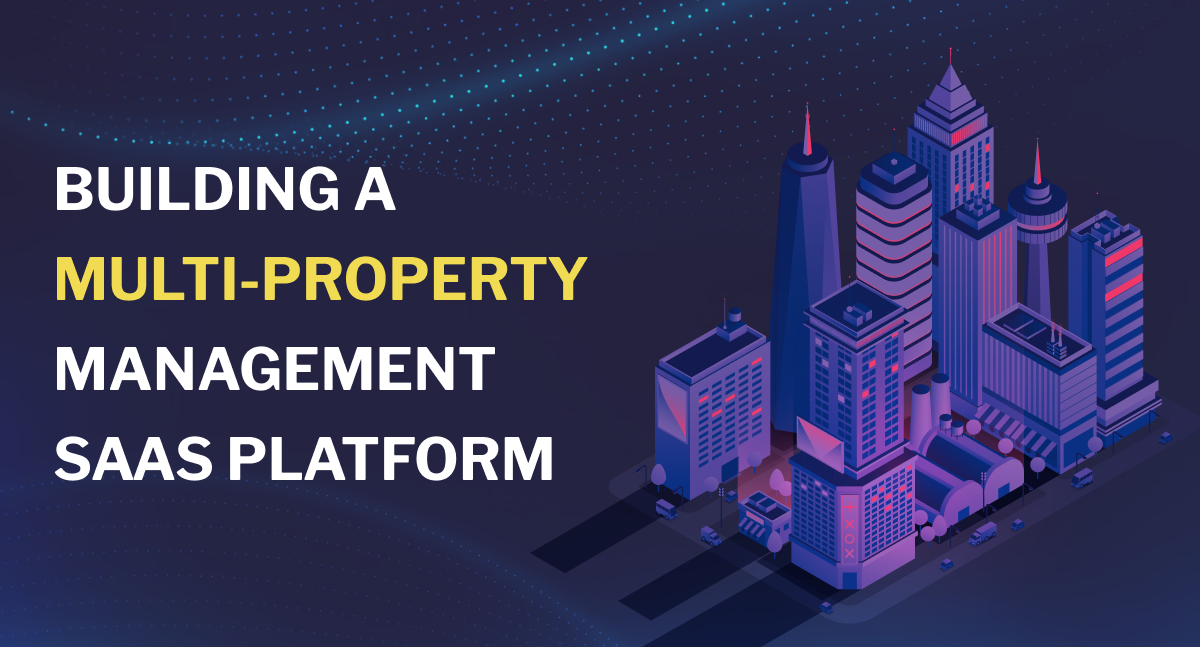
The property management is no longer about getting rent and repairing leaks. Portfolios, expectations of tenants, and efficiency-rewarding markets are increasing, and landlords and property management companies are handling bigger portfolios.
Companies that are still using manual operations are lagging behind. When you invest in a multi-property management platform, you are not only making a technology choice, but you are also making a decision to make your business future-proof before the market forces you to do it.
If you are someone looking for a solution to manage multiple properties, you have landed in the right place. This blog covers every essential thing you need to know. Let’s begin!
What Is a Multi-Property Management SaaS Platform?
Multi-property management SaaS (Software as a Service) is a cloud-based software that assists property managers, landlords, and real estate business owners with the task of managing multiple properties under a single central dashboard. It doesn’t necessarily require switching between spreadsheets, making a phone call, or checking their email.
Market Trends: Why Now Is the Right Time
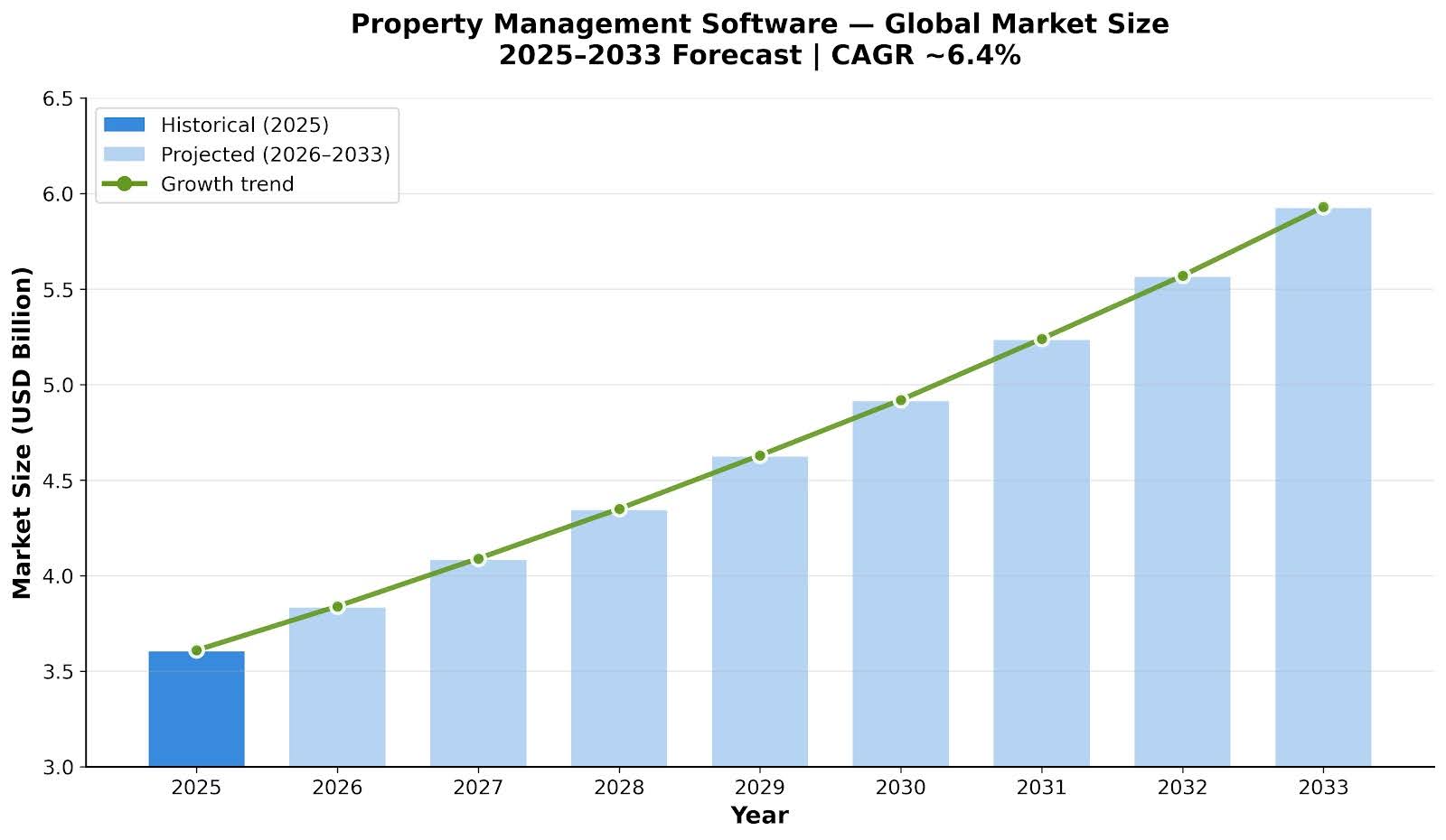
In 2025, the global property management software market was valued at $3.61 billion and is estimated to hit $5.89 billion in 2033 with a CAGR of about 6.4% (Source: Grand View Research).
The major trends that have contributed to this increase:
- Portfolios are increasing in size, with 10, 50, or 100+ units being owned by more landlords.
- Tenants demand digital-first experiences - paperless payments, maintenance websites, e-contracting.
- The process of work is being transformed by AI and automation - with smart rent pricing and automatic lease renewals.
Benefits of Adopting a Multi-Tenant Model
Nowadays, businesses that adopt the property management platform spend less on infrastructure and more on growth. Here’s how it benefits the businesses:
1. Lower Infrastructure Costs
A single system is shared among a number of clients, which will avoid the costs associated with creating a single customer environment and maintaining it. Your operating expenses remain slim as you continue to expand your client base.
2. Faster Feature Deployment
New features, bug fixes, and updates are released once and are immediately available to every client. There is no versioning madness, no personal deployment; we all enjoy the benefits of each improvement simultaneously.
3. Effortless Scalability
Onboard ten clients or ten thousand clients; the architecture can scale horizontally and does not need to scale the foundation. An increase is an engineering status, rather than an infrastructure crisis.
4. Stronger Data Security Through Isolation
Data of each tenant is logically isolated so that no other client can get access to the records of the other. Row-level security and role-based permissions ensure that sensitive financial and tenant data are never at risk of any type of attack.
5. Simplified Maintenance & Support
A monitored, debugged, and maintained codebase creates only one codebase. Less of your development time is spent in firefighting across the disparate deployments, and more of it will be spent in building what actually drives the product forward.
Read Also: From First Visit to Long-Term User: AI Strategies for Real Estate Apps
Core Features Your Platform Must Have
Before starting to build the platform, it is essential to understand the correct set of features. Here are some of the essential features that a multi-property management SaaS platform requires the following:
| S.No. | Features | Description |
| 1. | Multi-Property Dashboard | This dashboard consists of all properties and their occupancy status, future lease expiry, future maintenance requirements, and rent collection data, all in one place. It is like the home page of your whole business. |
| 2. | Tenant & Lease Management | Using this feature, it is easy to create profiles of tenants in stores, post lease agreements, make reminders when leases expire, and monitor the history of leases in all units. There is no longer a need to search the email chains to track down a single lease from two years ago. |
| 3. | Online Rent Collection & Accounting | It enables tenants to pay through bank transfer, UPI, card, and/or wallet. Open and closed accounts, payment history, flag any overdue, and generate financial reports for each or all the properties. |
| 4. | Maintenance Request Workflow | Tenants can raise any request using this feature. Property managers delegate it to a vendor. Vendors then update the status. This is the basic workflow that can be performed digitally through the platform, saving hours per week and helping minimize miscommunication. |
| 5. | Tenant & Owner Portals | This feature includes two separate portals with tenant and property owner login sections (pay rent, raise issues, view documents, view income, occupancy, and reports). It makes the process easy and role-specific. |
| 6. | Document Management | Use this feature to manage, archive, and transfer lease contracts, NOCs, inspection forms, and utility bills, which are labelled against particular units and tenants. No more lost paperwork. |
| 7. | Analytics & Reporting | A portfolio-level dashboard that will display occupancy rates, revenue trends, cost, and ROI. The freedom of filtering according to property, city, or property type makes the decision-making data-driven rather than gut-driven. |
| 8. | Notifications & Communication | Automated email, SMS, or in-app messages about the date of rent, lease end, maintenance updates, and inspection schedules, etc. This keeps everyone informed without having to call to know. |
AI That Helps You See What’s Coming Next
Reactively managing properties is costly. The AIs will provide you with the ability to anticipate before an issue occurs, rather than when it has already drawn your wallet.
1. Predictive Maintenance Alerts
Identifies when your equipment is growing old to avoid spending money on repairing small equipment problems that are costly as emergencies.
2. Rent Default Risk Scoring
Flag tenants who have demonstrated early payment risk so that your team can intervene before a default occurs in reality.
3. Tenant Churn Prediction
Prioritize tenants who will exit at renewal so that you can contact them early enough and minimize the expensive vacancy.
4. Expense Forecasting Models
Anticipates the future maintenance and operation expenses to make sure that you are able to plan budgets based on facts rather than estimates.
5. Occupancy Trend Analytics
Tracks occupancy trends throughout your portfolio such that you will always know where demand is increasing or decreasing.
6. Smart Vendor Allocation
It assigns the right vendor to the right job automatically, depending on availability, cost, and past performance.
Monetization Models That Work
It is not only half the equation to build a great platform. The other half is modeling your revenue model in such a manner that it will expand organically with your customers and their portfolios.
1. Subscription Tiers Based on Unit Count
Clients will pay per unit that they deal with, and as such, your revenue automatically increases with the size of the portfolio.
2. Premium Analytics Add-ons
Provide more sophisticated AI insights, better customer reports, and forecasting features as a premium option to clients eager to have more in-depth intelligence.
3. Enterprise Licensing
Offer custom contracts, dedicated infrastructure, and premium support to large property groups and REITs at higher prices.
4. White-label Solutions
Allow local real estate brands to operate your site under their name, thereby expanding your reach without increasing your sales team.
5. Data-driven Upselling Opportunities
Utilize the platform usage information to determine precisely when a client is prepared to upgrade, which makes upselling timely and pertinent, but not intrusive.
Final Thoughts: Build for Scale, Design for Simplicity
The property management industry is changing faster than ever. Companies are investing in the right SaaS platform today, which will help them work smarter, grow faster, and rule the industry. Are you looking to develop a SaaS platform for property management? We are here to help you design and develop an AI-driven multi-property management platform that helps you grow in the industry. Let’s build your next-generation ProphTech solution. Contact Us Now!