


 Front End Development
  Back End Development
  CMS / ECommerce Development
  Mobile Apps Development
  Cloud Services
  Fullstack Services
  Solution


Gym Management App Development: Features, Cost and Business Benefits
Running a gym is not just about equipment and trainers. Behind every successful fitness facility is a system that handles memberships, payments, class bookings, staff schedules, and member communication, all at once.
Most gym owners start with spreadsheets and manual processes. It works for a while. But as the member base grows, so does the chaos. That is where a gym management app steps in.
A gym management app is a purpose-built software platform that puts all your operations in one place. It serves two audiences at once: the gym owner and admin team on the back end, and members on the front end. When built right, it reduces friction for both.
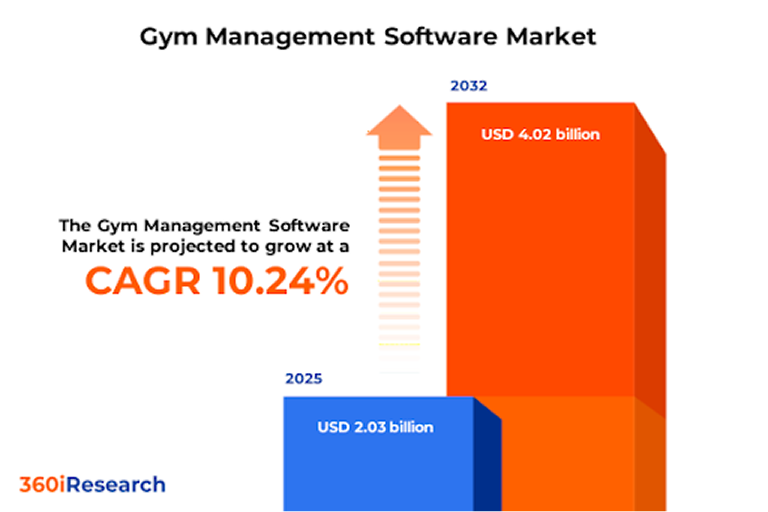
The gym management software market reflects how seriously the fitness industry is taking this shift. According to 360iResearch, the global gym management software market was valued at USD 2.03 billion in 2025 and is projected to reach USD 4.02 billion by 2032, growing at a CAGR of 10.24%. Fitness businesses that invest in custom app development now are positioning themselves well ahead of that curve.
This guide covers what features matter most, what a realistic development budget looks like, and what business benefits you can expect from building your own gym management app.
What Is a Gym Management App, Exactly?
Before diving into features and costs, it helps to draw a clear line between a gym management app and a general fitness app.
A fitness app (think Strava or MyFitnessPal) is built for individual users. It tracks personal workouts, calories, or running routes. It has no relationship with a gym's back-end operations.
A gym management app is a business tool. It is built for the gym operator and the members of that specific facility. Think of it as the digital backbone of your gym.
The admin side handles membership plans, billing automation, class scheduling, staff management, access control, and reporting. The member side lets users book classes, check in, track their own progress, make payments, and stay connected with your gym's community.
Some gyms use SaaS platforms like Mindbody or Zen Planner. But those platforms have limitations, and you are always dependent on their roadmap, pricing, and data policies. A custom-built gym management app gives you full control over features, branding, and the data that powers your decisions.
Why Trust Our Gym App Development Expertise?
Building a successful gym management app requires more than coding expertise. It requires an understanding of member engagement, subscription management, scheduling workflows, and business operations within the fitness industry.
At Nyusoft, we help businesses build scalable mobile and web applications tailored to real-world operational needs. Our experience spans custom software, AI-powered solutions, and cross-platform app development.
Our expertise includes:
- 13+ years of software development experience
- Custom mobile and web application development
- AI-powered fitness and business solutions
- Flutter, React Native, and Node.js development
- SaaS platform and subscription-based product development
- Scalable cloud-based application architecture
The insights shared in this guide are based on industry best practices, current technology trends, and practical experience building modern digital products that support business growth.
Must-Have Features of a Gym Management App
Not all features carry equal weight. Some are essential from day one. Others are better added in later phases.
Here is a breakdown of what matters most for both sides of the platform.
Member-Facing Features
Member Registration and Profile Management: Members should be able to sign up, set their fitness goals, and manage their profile from their phone. This includes personal details, membership plan, payment history, and progress records.
Class and Session Booking: A smooth booking experience is one of the biggest drivers of member satisfaction. Members should be able to view available slots, book a class in seconds, and receive instant confirmation.
Digital Check-In: QR code scanning or biometric check-in removes front desk friction. Members walk in, scan, and get moving. It also feeds accurate attendance data to your admin dashboard.
Workout Tracking and Progress History: Members who can see their progress stay longer. Workout logs, milestones, and visual progress charts give them a reason to keep showing up.
In-App Payments and Subscription Management: Membership renewals, one-time session payments, merchandise, or personal training bookings. Members should be able to handle all of this without calling the gym or visiting the front desk.
Push Notifications and Reminders: Class reminders, membership renewal alerts, promotional offers, and motivational nudges keep members engaged between visits.
Wearable Device Integration: Connecting the app to Apple Watch, Fitbit, or Garmin data adds a layer of personalization. Members see their gym performance alongside their daily health data.
Admin and Operations Features
Real-Time Analytics Dashboard: Your admin panel should give you an instant snapshot of revenue, attendance trends, active memberships, and upcoming renewals without digging through spreadsheets.
Staff and Trainer Scheduling: Shift management, trainer availability, and class assignments all in one view. Reduces scheduling conflicts and communication gaps.
Membership Plan Builder: Create and edit tiered plans, family packages, trial memberships, corporate plans, and time-limited offers without needing a developer.
Automated Billing and Invoice Generation: Monthly dues, late fees, and pro-rated charges should run automatically. Every transaction should generate a proper invoice for the member.
Attendance Tracking and Reporting: Know who is active, who has not visited in three weeks, and which classes are consistently full. This data directly informs retention strategies and programming decisions.
Equipment and Inventory Management: Track equipment usage, maintenance schedules, and replacement cycles. Preventive maintenance costs far less than emergency repairs.
CRM Tools for Member Communication: Email campaigns, SMS alerts, and in-app messages targeted to specific member segments. A gym's relationship with its members does not end when they walk out the door.
Multi-Location Support: If you operate more than one facility, a single admin panel that manages all locations is not optional; it is necessary.
Advanced Features That Set the Best Apps Apart
Once your core platform is stable, these features create meaningful competitive distance.
AI-Powered Workout Recommendations: Machine learning models can analyze a member's history, goals, and fitness level to suggest personalized workout plans. This is the kind of experience that keeps members loyal. Nyusoft's work in AI-powered fitness app development is a strong reference point for what this looks like in practice.
Automated Retention Alerts: The app flags members who have not visited in two or three weeks. Staff can reach out proactively before those members cancel. Retention is far cheaper than acquisition.
Virtual Class Streaming and On-Demand Video Library: Members who travel or work irregular hours still want to stay connected. A built-in video library and live class streaming extends your gym's value beyond the physical space.
Loyalty Programs and Referral Rewards: In-app points, badges, and referral bonuses drive word-of-mouth growth and reward long-term members.
Chatbot-Powered Member Support: A simple AI chatbot can handle FAQs, booking queries, and payment questions around the clock, without adding headcount.
IoT Integration with Gym Equipment: Smart treadmills, connected weight machines, and sensor-based equipment can push real-time data directly into a member's profile. This level of integration is becoming a key differentiator for premium fitness facilities.
Custom Gym App vs SaaS Gym Software: Which Is Right for Your Business?
Many gym owners start with SaaS platforms because they are faster to implement and require a lower upfront investment. However, as businesses grow, limitations around customization, branding, integrations, and data ownership often become more noticeable.
The right choice depends on your business goals, growth plans, and operational requirements.
| Factor | Custom Gym App | SaaS Gym Software |
| Initial Cost | Higher upfront investment | Lower upfront cost |
| Monthly Fees | No recurring platform fees | Ongoing subscription fees |
| Branding | Fully customized | Limited branding options |
| Features | Built around your requirements | Fixed feature set |
| Scalability | Highly scalable | Limited by platform capabilities |
| Third-Party Integrations | Fully customizable | Dependent on vendor support |
| Data Ownership | Complete ownership | Data stored within vendor ecosystem |
| Multi-Location Support | Customizable for growth | May require higher-tier plans |
| User Experience | Tailored to your members | Standardized experience |
| Long-Term Flexibility | High | Moderate |
When a SaaS Solution Makes Sense
A SaaS platform may be the right choice if you:
- Operate a small gym with basic management needs
- Need a solution quickly
- Have limited budget for custom development
- Do not require unique workflows or integrations
When a Custom Gym App Is the Better Choice
Custom development is often the better option if you:
- Operate multiple gym locations
- Need custom features or workflows
- Want full control over branding and user experience
- Plan to scale your fitness business
- Require ownership of member and business data
- Want to integrate AI, wearable devices, or advanced analytics
For many growing fitness businesses, a custom gym management app becomes a strategic investment that supports long-term growth, stronger member engagement, and greater operational efficiency.
Gym Management App Development Cost Breakdown
Cost is the most common question gym owners and founders have when they explore custom development. The answer depends on several variables, but here is a realistic picture.
Factors That Affect Development Cost
App Complexity: An MVP that covers core membership management, scheduling, and payments will cost significantly less than a full-featured platform with AI recommendations and IoT integrations.
Platform Choice: Building natively for both iOS and Android costs more than a cross-platform build using Flutter or React Native. For most gym apps, cross-platform is a practical and cost-effective starting point. Nyusoft's Flutter app development team regularly helps clients weigh this decision against their specific goals.
UI/UX Design Depth: A polished, intuitive interface takes more time to design and build. But for a gym app where member adoption is critical, investing in good UX pays off in retention rates.
Third-Party Integrations: Payment gateways (Stripe, Razorpay), wearable APIs, push notification services, and video streaming platforms all add development time and cost.
Development Team Location: Hourly rates vary significantly by geography. US-based teams may charge $100 to $180 per hour. Eastern European teams range from $50 to $90. South Asian teams, including experienced firms in India, typically run $25 to $60 per hour.
Post-Launch Maintenance: This is often underestimated. Plan for 15 to 20% of your initial development cost annually for updates, bug fixes, and new features.
Estimated Development Cost Ranges
| App Type | Estimated Cost |
|---|---|
| MVP / Basic Gym App | $4,000 – $8,000 |
| Mid-Level App | $8,000 – $15,000 |
| Full-Featured Platform | $15,000 – $25,000+ |
These are estimates. Actual cost depends on feature scope, team location, and tech stack decisions.
Additional Costs to Budget For
- Apple App Store and Google Play Store annual fees
- Payment gateway transaction fees (typically 1.5% to 3% per transaction)
- Cloud hosting and server infrastructure (AWS, Google Cloud)
- SSL certificates and security audits
- Ongoing QA and version updates
For businesses considering building a broader digital product, Nyusoft's custom software development services offer flexible engagement models that work with different budget structures.
Tech Stack Commonly Used in Gym App Development
The technology behind your app affects its performance, scalability, and long-term maintainability.
Frontend (Mobile): React Native and Flutter are the dominant choices for cross-platform gym apps. They reduce development time while delivering near-native performance. For native-only builds, Swift handles iOS and Kotlin handles Android.
Backend: Node.js and Python are widely used for their speed, scalability, and large ecosystem of libraries. Laravel is also a solid choice for teams that prefer a structured PHP framework. Nyusoft's Node.js development team works across several fitness and health tech projects where backend reliability is critical.
Database: PostgreSQL handles relational data like memberships and billing with precision. MongoDB works well for flexible, unstructured data like workout logs and activity history.
Cloud Infrastructure: AWS and Google Cloud are the most common choices for hosting gym apps. Both offer auto-scaling, which matters when your app needs to handle surges during peak enrollment periods.
Payments: Stripe is the most developer-friendly option for international payments. Razorpay is popular for India-based gyms.
Push Notifications: Firebase Cloud Messaging (FCM) is the standard for cross-platform notifications.
Analytics: Mixpanel and Google Firebase Analytics help you understand how members use the app, which features drive engagement, and where drop-off happens.
Business Benefits of Building a Gym Management App
Building a gym management app is an investment. Here is what that investment actually returns.
Reduced Admin Workload
Manual billing, paper attendance sheets, and scheduling via phone calls eat hours every week. A gym management app automates all of it. Your staff spends more time serving members and less time managing paperwork.
Higher Member Retention
Retention is where most gyms quietly lose revenue. Automated check-ins, progress tracking, and proactive re-engagement alerts make it significantly harder for members to drift away unnoticed.
Multiple Revenue Streams From One Platform
Beyond monthly memberships, your app can sell personal training sessions, nutrition plans, branded merchandise, and on-demand class access. Bundling these in-app creates upsell opportunities you simply cannot replicate at the front desk.
Data-Driven Business Decisions
Real-time dashboards surface patterns that are invisible in spreadsheets. Which membership tier converts best? What time slots are most popular? Which trainer has the highest renewal rate from their clients? These answers are in your data.
Better Member Experience
A well-built app makes the member's relationship with your gym frictionless. They book faster, pay without hassle, and can see their own progress. That kind of experience generates word-of-mouth referrals more reliably than any ad campaign.
Scalability Across Multiple Locations
Managing two or three gym locations manually is a logistics challenge. A custom app built with multi-location architecture handles it cleanly, with a unified view of operations, revenue, and member data across all sites.
Stronger Brand Loyalty
In-app communities, challenge features, leaderboards, and loyalty rewards give members something to engage with beyond their workout. When your gym becomes part of someone's social and digital life, their relationship with your brand deepens.
According to FitBudd, fitness businesses that launch their own apps see an average return on investment of 3x within the first two years. The combination of automated operations, improved retention, and new revenue streams drives that number.
How Long Does It Take to Build a Gym Management App?
Development timelines depend on scope and team size.
| Phase | Timeline |
|---|---|
| MVP / Basic App | 3 to 5 months |
| Mid-Level App | 5 to 8 months |
| Full-Featured Platform | 8 to 14 months |
A typical project moves through these phases: discovery and requirement gathering, UI/UX design, front-end and back-end development, quality assurance and testing, launch, and post-launch support.
Rushing the discovery phase to save time is one of the most expensive mistakes a gym owner can make. Getting requirements wrong early means rework later, at a much higher cost.
Common Mistakes to Avoid
These are the decisions that turn a promising gym app project into a stalled or over-budget one.
Skipping the Discovery Phase Without a detailed requirements document and clear user flows, developers build based on assumptions. Assumptions cost money to correct.
Launching With Too Many Features Feature overload delays your launch and dilutes your focus. Build the core experience well first. Add advanced features in planned updates based on real user feedback.
Ignoring Member Onboarding If a new member cannot figure out how to book their first class within two minutes, they will stop using the app. Good onboarding design is as important as the features themselves.
Not Planning for Scale An app architecture that works for 200 members may break under 2,000. Work with your development team to build for scale from the beginning, even if you do not need it yet.
Choosing a Vendor Based on Price Alone The cheapest quote rarely reflects the total cost. Evaluate vendors on their portfolio, technical depth, communication practices, and how they handle post-launch support.
Underestimating Maintenance Costs App stores update their requirements. Operating systems release new versions. Security vulnerabilities are discovered. Budget for ongoing maintenance, or your app will become a liability.
What We See Most Gym Owners Get Wrong
Many gym owners recognize the need for a mobile app, but they often focus on the wrong priorities during the planning stage. Based on our experience working with digital products, these are some of the most common mistakes businesses make when investing in gym management software.
Prioritizing Features Over User Experience
Many businesses try to include every possible feature in the first version of the app. In reality, a simple and intuitive experience often delivers better adoption than a feature-heavy platform that members find difficult to use.
Treating the App as a Booking Tool Only
A gym management app should do more than schedule classes. Features like progress tracking, automated engagement, loyalty programs, and retention alerts often have a bigger impact on long-term business growth.
Ignoring Member Retention Features
Acquiring new members is expensive. Yet many gyms overlook tools that help retain existing members, such as personalized notifications, attendance tracking, and re-engagement campaigns.
Choosing Short-Term Solutions
Off-the-shelf software can work initially, but growing fitness businesses often outgrow the limitations of generic platforms. Scalability, customization, and data ownership should be considered from the beginning.
Delaying Analytics and Reporting
Without clear visibility into attendance, revenue, and member behavior, it becomes difficult to make informed business decisions. Analytics should be treated as a core feature, not an afterthought.
The most successful gym apps focus on improving operational efficiency, enhancing member experiences, and supporting long-term business growth rather than simply digitizing existing processes.
Build a Gym App That Actually Works for Your Business
A gym management app is not just a convenience feature. It is a business infrastructure investment that pays back through lower operational costs, stronger member retention, and new revenue opportunities that simply do not exist without a digital platform.
The fitness industry is accelerating toward digital-first operations. Gym owners who build the right platform now will have a structural advantage over those who wait.
At Nyusoft, we work with fitness businesses, startups, and entrepreneurs to build mobile and web applications that are practical, scalable, and built around real business goals. From lean MVPs to full-featured fitness platforms, our team brings both technical depth and industry context to every project.
If you are thinking about building a gym management app, the best place to start is a conversation about your specific requirements. Schedule a meeting with our team and we will help you map out a development plan that fits your timeline and budget.
Frequently Asked Questions
1. What is a gym management app?
A gym management app is software designed to help fitness businesses manage memberships, class schedules, payments, staff operations, attendance tracking, and member engagement from a single platform. It typically includes both an admin dashboard for gym operators and a mobile app for members.
2. How much does it cost to develop a gym management app?
The cost of gym management app development depends on the app's complexity, features, integrations, and development approach. A basic MVP may cost between $4,000 and $8,000, while a feature-rich platform with AI capabilities, wearable integrations, and multi-location support can exceed $20,000+.
3. How long does it take to build a gym management app?
Development timelines vary based on requirements. A basic gym management app can take 3 to 5 months, while a more advanced solution may require 6 to 12 months or longer. Factors such as custom features, third-party integrations, and design complexity can affect the overall timeline.
4. What features should a gym management app include?
Core features typically include membership management, class scheduling, online payments, attendance tracking, push notifications, reporting dashboards, and staff management. Advanced solutions may also include AI-powered workout recommendations, loyalty programs, wearable integrations, and virtual training capabilities.
5. Is it better to build a custom gym management app or use SaaS software?
SaaS platforms are often suitable for small gyms that need a quick solution with minimal upfront investment. However, custom gym management apps provide greater flexibility, branding control, scalability, and ownership of member data, making them a better long-term option for growing fitness businesses.
6. Can a gym management app increase member retention?
Yes. Features such as progress tracking, automated reminders, loyalty rewards, personalized recommendations, and re-engagement campaigns help keep members active and connected. Improved engagement often leads to higher retention rates and increased customer lifetime value.
7. Can a gym management app support multiple gym locations?
A custom gym management app can be designed to manage multiple locations through a centralized dashboard. Gym owners can track memberships, attendance, revenue, staff schedules, and performance metrics across all branches from a single system.
8. Which technologies are commonly used for gym management app development?
Popular technologies include Flutter and React Native for mobile app development, Node.js and Python for backend development, PostgreSQL and MongoDB for databases, and AWS or Google Cloud for hosting and infrastructure. The right tech stack depends on business requirements and scalability goals.
9. What ongoing costs should I consider after launching a gym management app?
Beyond development costs, businesses should budget for cloud hosting, app store fees, payment gateway charges, maintenance, security updates, bug fixes, and future feature enhancements. Most businesses allocate 15% to 20% of the initial development cost annually for maintenance and support.
10. How do I choose the right gym management app development company?
Look for a partner with experience in mobile app development, scalable software solutions, and fitness industry applications. At Nyusoft, we build custom gym management apps designed to streamline operations, improve member experiences, and support long-term business growth.